AXS Tickets
- 4.7
- Rating
- 10.00M
- Installs
- Free
- Price

 Analysis by App-foxy
Finding something to do is easy in theory and surprisingly awkward in practice. Event information is scattered between venue pages, artist announcements, social posts, and ticket services, so I often end up searching several places before I even know whether a useful option exists. AXS Tickets approaches that problem from a clear entertainment angle: it gives me a dedicated place to look for events and handle tickets through the same service. After using it, I see the app less as a general discovery magazine and more as a practical bridge between “I want to go somewhere” and “I have a ticket ready.”
That distinction matters. The app is free, aimed at everyone, and developed by AXS, LLC. It has been available since August 27, 2013, and the current version is 6.26, with support beginning at iOS or Android 7.1 depending on the device. Its audience is already substantial, with over five million installs and an average rating of 4.8 from around ninety-eight thousand ratings. Those figures suggest that it has become a familiar tool for people who regularly buy tickets, but popularity alone does not make every ticketing experience painless.
Why the event-finding capability matters
I find the event-finding capability most useful when I’m trying to turn a vague idea into a realistic plan, rather than simply browsing for inspiration. It gives me a focused place to begin, while reminding me to check the details that matter to my group before we commit. That practical role becomes even clearer when I consider how the app fits into the everyday moments when plans take shape.
You May Also Like

 Blood Strike: 2.5 Anniversary
Blood Strike’s Loadouts Turn Every Drop Into a Tactical Gamble
A close look at Blood Strike’s custom loadouts: how fast access to signature weapons reshapes its battle royale rhythm, rewards preparation, and narrows the gap between fights.

 Pandora - Music & Podcasts
Pandora’s Music Is Easy to Start, but Harder to Recover
Pandora’s strength is its low-effort path from a seed to a station. Its weak spot is how much confidence it asks you to place in connection, setup, and quiet recovery.

 8 Ball Pool
 Is Built on Rivalries, Rematches, and Routine
A close look at the rivalries, rematches, shared routines, and unanswered safety questions that turn a quick pool match into a persistent mobile community.

 Samsung Music
’s Quiet Strength Is Playing What You Already Own
Its reach comes less from spectacle than from dependable access to a personal library. That simplicity is both the app’s strongest retention engine and its ceiling.

 AccuWeather: Weather Radar
AccuWeather Review: A Quick, Clear Forecast for Everyday Decisions
For everyday plans, the best forecast is the one you can understand quickly. AccuWeather makes rain timing, radar, and local conditions easy to act on, with a few trade-offs.

 Hill Climb Racing
Why Hill Climb Racing Still Turns Crashes Into One More Run
A tiny car, a bumpy hill and one more upgrade: Hill Climb Racing keeps resurfacing because its simple chaos makes every near-miss feel personal.
More From Our News Desk



One starting point instead of scattered searches
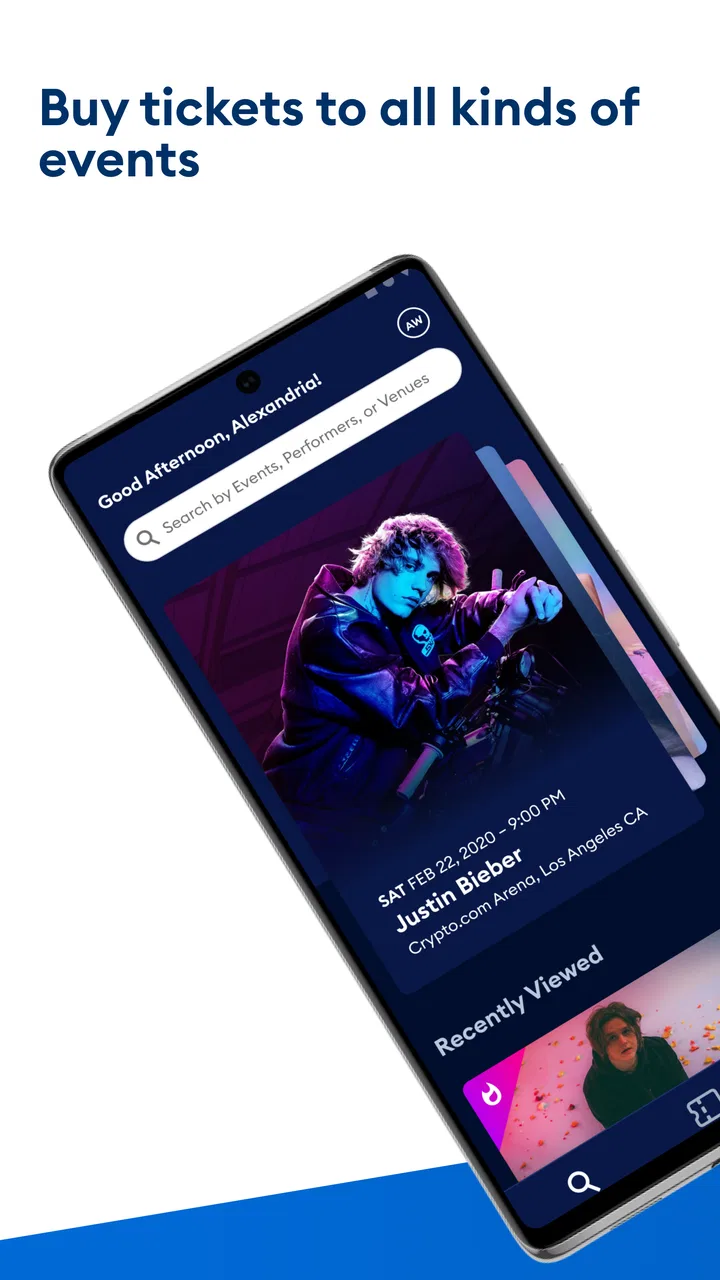
The most useful capability here is the ability to look for upcoming entertainment from inside a ticket-focused app. That sounds simple, but it changes the first step of planning. Instead of beginning with a search engine and trying to decide which result is official, I can start with AXS Tickets and see what is available through its own event environment. The benefit is not that it replaces every other source of information; it is that it gives me a more direct route from interest to an actionable ticket.
I find this especially helpful when I know the kind of night I want but not the exact event. A broad search can produce old announcements, resale pages, venue calendars, and articles that are no longer useful. A ticket app is more purposeful because the question is usually practical: what can I attend, and can I continue toward getting admission? That focus makes the experience more efficient than browsing entertainment news when my real goal is to make plans.
It is also useful when I already have a performer, venue, or event in mind. In that situation, the app is not trying to entertain me with endless editorial content. It serves as a place to check the event path and manage the next step. I appreciate that narrower purpose because it keeps the experience closer to the decision I actually need to make.
Discovery is valuable, but it is not the same as curation
There is an important trade-off in this approach. A ticketing app can help me find events that are available through its service, but I should not confuse that with a complete guide to everything happening around me. If I want deep recommendations based on my taste, local cultural context, reviews, or a carefully explained selection of smaller events, a city guide, artist newsletter, venue mailing list, or social platform may be more useful.
AXS Tickets works best when the ticketing relationship is the center of the task. It is less compelling as a replacement for every discovery tool. I would use it after I have a general idea of the type of outing I want, or when I want to verify whether a particular event has a ticket route available. For inspiration, I would still combine it with venue calendars and artist pages rather than relying on one application alone.
What I do before committing to an event
My best habit with the app is to treat discovery and purchase as two separate decisions. First, I identify the event and check the basic details carefully. Then I pause before moving forward, especially if the event is on a date when travel, childcare, or work arrangements are involved. A fast ticket flow is useful, but speed can also make it easy to commit before thinking through the whole evening.
I also compare the event information with the venue’s own communication when the occasion is important. This is not because AXS Tickets is unsuitable; it is because practical details can matter as much as the ticket itself. I want to know where the venue is, when I need to arrive, and whether the event fits my schedule before treating the app as the final step in planning.
How the app fits into a real evening out
Imagine that I am sitting with a friend on a Thursday afternoon and we decide we want live entertainment that weekend. Without a ticketing app, we might search separately for concerts, comedy, sports, or venue calendars, then open multiple pages to work out which options are still relevant. With AXS Tickets, I can begin in a more focused place, investigate the available event choices, and continue with the ticket process without changing context every few minutes.
The real advantage is not just saving taps. It reduces uncertainty about where the next step happens. Once I have chosen an event, I am not left wondering whether I should return to a venue page, search for an official seller, or use a different service. AXS Tickets gives the planning process a recognizable home. For a spontaneous night out, that reduction in friction can be the difference between making plans and abandoning them.
There is another practical use: checking an event while I am away from a computer. If a friend sends me an event suggestion during a commute or lunch break, a mobile ticketing app is more convenient than waiting until I get home to investigate. I can make the decision while the conversation is still active. I would still avoid rushing through important details on a small screen, but the ability to move from suggestion to action is genuinely useful.
Using it as a planning tool rather than a last-minute panic button
I get better results when I open the app before the day of the event. That gives me time to compare options, check the date, and make sure the outing works for everyone involved. Leaving everything until the last minute creates unnecessary pressure, particularly if the event is popular or if I need to coordinate with other people.
For group plans, I recommend agreeing on the event and budget before anyone starts the final ticket steps. A ticketing app can make individual decisions quick, but it cannot solve disagreements about seating, timing, or how much the group wants to spend. I find it easier to settle those questions in conversation and use the app afterward as the practical transaction point.
The useful distinction between buying and managing expectations
A ticket app can make obtaining admission feel like the main task, but the event itself is the real product. I try to keep that in mind while using AXS Tickets. The app helps me get closer to the event, yet it does not remove the need to read carefully, plan transportation, or confirm that the chosen date works. This is one of the less obvious lessons of a streamlined ticket experience: convenience is most valuable when it supports a considered decision, not when it encourages an impulsive one.
That is also why I would not judge the app only by how quickly I can reach a purchase screen. The better question is whether it helps me make a confident choice without losing track of the practical details. In my experience, its focused event-and-ticket role supports that process, provided I remain an active participant rather than treating the app as an automatic recommendation engine.
Where it has an edge over usual alternatives
Compared with a general web search, AXS Tickets offers a cleaner starting point for people who already want to attend something. Search engines are excellent for broad research, but they often mix official information with commentary, old pages, and unrelated results. The app feels more direct when my intention is transactional: find an event, review the available path, and continue from there.
Compared with a venue-only calendar, it can be more convenient for people who attend events at different locations. I do not need to begin from one venue every time if my plans are flexible. On the other hand, a venue’s own site may provide richer local context, so I would still consult it when I need detailed information about the building or event-day arrangements.
Compared with social media, the app is less distracting. Social platforms may reveal events through recommendations from friends, but they also mix them with unrelated posts and promotional noise. AXS Tickets is better when I have moved beyond casual discovery and want to act. The trade-off is that social media can sometimes surface niche events or personal recommendations that a ticketing service will not put in front of me.
Friction I would want new users to understand
The first limitation is that a ticket-focused experience is only as useful as the events it can help me pursue. If my preferred event is handled elsewhere, I may still need another service. That is not a flaw unique to this app, but it affects whether it can become my single ticket destination. I would not install it expecting every venue, performer, or local activity to appear in one universal catalog.
The second limitation is psychological rather than technical: the app can make a decision feel more immediate than it really is. A few straightforward steps may take me from browsing to commitment, so I need to slow down when dates, group plans, or travel are involved. I consider this a normal responsibility with ticketing apps, but it is worth stating because convenience can hide the importance of checking the details.
The third limitation concerns users who want rich editorial guidance. If I want long-form reviews, detailed artist background, neighborhood suggestions, or a personalized cultural itinerary, I would choose a specialist publication or local guide alongside AXS Tickets. The app’s strength is practical access, not replacing the entire process of deciding what kind of entertainment suits me.
Who gets the most value from it
I think the app is a strong fit for regular event-goers who want a familiar mobile route for finding and handling tickets. It is also useful for people who make plans while away from a desktop, couples who decide on an outing at short notice, and groups that already agree on what they want to attend. The free price makes trying it straightforward, and the Everyone age rating means it is positioned for a broad audience rather than a narrow specialist group.
It can also help occasional attendees who dislike navigating several unrelated ticket pages. Even if I only attend events from time to time, having a dedicated place to begin may reduce the effort involved in turning an idea into a plan. The app is particularly sensible when the event I want is already associated with the AXS service, because that is where its focused workflow has the clearest advantage.
I would be more cautious about recommending it as the only tool for someone who wants highly personalized discovery. A person who prefers independent local events, extensive reviews, or a complete citywide calendar may be happier starting with a local guide and using AXS Tickets only when the chosen event leads there. Likewise, someone who rarely attends ticketed entertainment may not need a dedicated app at all if a venue page or occasional browser search already meets the need.
My final take on the everyday experience
The main strength of AXS Tickets is its focused path from event interest to ticket action. It does not need to be a complete entertainment encyclopedia to be useful. When I know I want to go out, the app gives me a more purposeful starting point than a general search, and it is convenient when plans are being made away from a computer.
My recommendation comes with a simple condition: use it as the ticketing part of a wider planning routine. Let the app help locate and pursue an event, but take a moment to verify the date, venue, group arrangements, and overall fit before committing. That approach preserves the convenience without allowing the quick workflow to make the decision for me.
For regular attendees, AXS Tickets is a sensible free entertainment app to keep installed, especially when its event network matches the places and performers I follow. For people seeking deep recommendations or a universal event directory, it should be paired with other sources rather than treated as the whole answer. In that role, it earns its place: not as a replacement for every way of discovering culture and entertainment, but as a practical companion when discovery needs to become a real plan.
FAQs for AXS Tickets
01What is AXS Tickets and how does it work?
AXS Tickets is a mobile application that allows users to purchase tickets for various events, ranging from concerts to sports games. The app provides a seamless experience with features like mobile entry, where users can enter venues using their smartphones. It also offers event recommendations based on user preferences and location.
02Can I transfer my tickets to someone else using the AXS Tickets app?
Yes, AXS Tickets allows users to easily transfer tickets to friends or family. This feature is accessible within the app, enabling users to send tickets digitally. The recipient will receive an email notification and a link to accept the transfer, making it convenient and secure for both parties.
03What security measures are in place for ticket purchases on AXS Tickets?
AXS Tickets implements several security measures to protect user data and ensure safe transactions. The app uses encryption to secure personal and payment information. Additionally, it offers a verified ticket exchange to prevent fraud, ensuring that all tickets purchased through the app are legitimate and valid for entry.
04Are there any additional fees when purchasing tickets through AXS Tickets?
While AXS Tickets does charge a service fee for each transaction, these fees are typically clearly displayed before finalizing a purchase. The fees cover various services, including ticket processing and customer support. Users should review the total cost at checkout to understand the full price, including any additional charges.
05How can I contact customer support if I encounter issues with AXS Tickets?
AXS Tickets provides a comprehensive customer support service accessible through the app and website. Users can reach out via email or phone for assistance with issues such as ticket transfers, refunds, or account inquiries. The app also features a help section with FAQs and troubleshooting tips for common problems.
Pros
- User-friendly interface for easy navigation.
- Wide variety of events and genres available.
- Secure ticket purchasing process.
- Real-time updates on event changes.
- Integrated with social media for sharing.
Cons
- Limited support for international events.
- Occasional app crashes reported by users.
- High service fees on some tickets.
- Limited refund options for canceled events.
- Requires constant internet connection.

AXS Tickets
Gallery